
What Are the Different Types of Contact Lenses? Which One Is Right for Me?
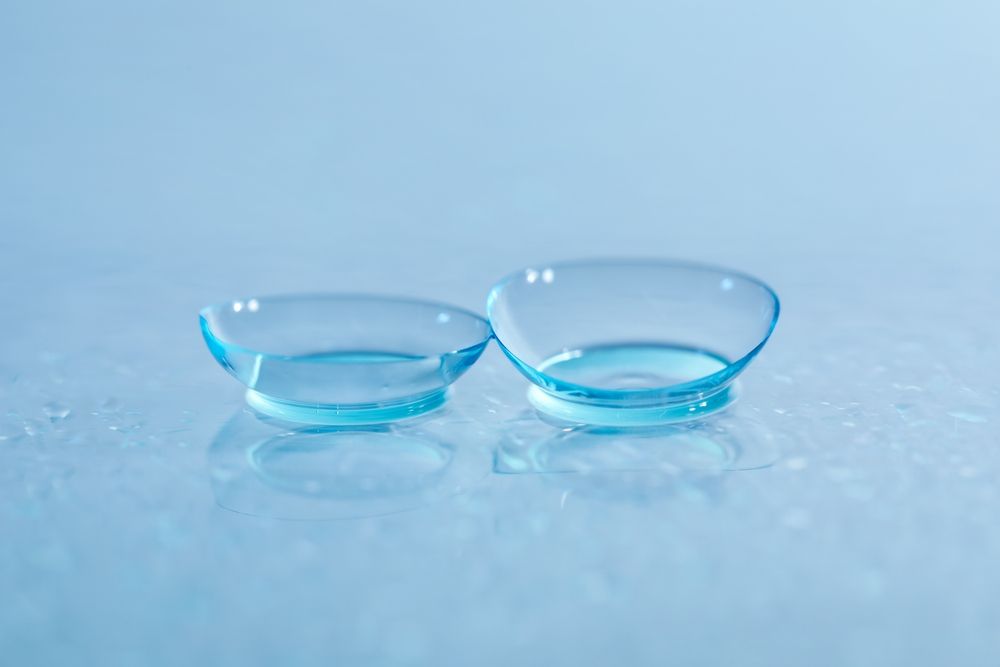
Contact lenses have evolved significantly, providing safe and effective vision correction for a wide range of prescriptions and eye conditions. Because each person’s eyes are unique, selecting the right contact lens requires more than simply choosing a brand. Understanding the different types of contact lenses and the importance of a professional evaluation can help ensure the best possible outcome for your vision and eye health.
Why a Contact Lens Evaluation Is Essential
A contact lens exam is different from a routine eye exam. In addition to checking your vision, your eye doctor evaluates the shape and health of your eyes, tear film quality, and how lenses fit and move on your eyes.
Proper evaluation is critical because:
• Ill-fitting lenses can cause discomfort, dryness, or blurry vision
• Certain eye conditions require specific lens materials or designs
• The wrong lens type can increase the risk of eye infections or irritation
A personalized contact lens fitting ensures your lenses are safe, comfortable, and optimized for your vision needs.
Common Types of Contact Lenses
Soft Contact Lenses: Soft lenses are the most commonly prescribed and are made from flexible, breathable materials.
• Daily Disposable Lenses: Designed to be worn once and thrown away at the end of the day, these lenses are hygienic, convenient, and ideal for people with allergies or busy schedules.
• Bi-Weekly or Monthly Lenses: These lenses are replaced every two weeks or once a month and require proper cleaning and storage. They are a cost-effective option for regular contact lens wearers.
• Rigid Gas Permeable (RGP) Lenses: RGP lenses are firmer than soft lenses and provide crisp, stable vision. While they may take longer to adapt to, they often offer superior visual clarity for certain prescriptions and eye conditions.
• Toric Contact Lenses: Toric lenses are designed specifically to correct astigmatism. They are available in soft and rigid options and are customized to remain stable on the eye for clear, consistent vision.
• Multifocal Contact Lenses: Multifocal lenses help correct presbyopia by allowing wearers to see clearly at near, intermediate, and far distances. These lenses are a popular alternative to reading glasses or bifocals.
Which Contact Lenses Are Best for You?
The ideal contact lens is determined by several important factors, starting with your prescription. Higher prescriptions, astigmatism, or age-related vision changes such as presbyopia often require specialized lens designs to provide clear, stable vision.
Your overall eye health also plays a significant role in determining which contact lenses are best for you. Conditions such as dry eye, seasonal allergies, or corneal irregularities can affect comfort and safety, making certain lens materials or specialty options a better choice.
Lifestyle considerations are equally important when selecting contact lenses. For patients with busy, active, or travel-heavy routines, daily disposable lenses offer convenience and hygiene, while specialty contact lenses may be better suited for individuals with specific visual or occupational demands.
Finally, personal comfort preferences matter. Some patients prioritize ease of use and low maintenance, while others are more focused on achieving the sharpest possible visual clarity. During your contact lens evaluation, your eye doctor will carefully consider all of these factors to recommend the best solution for your eyes and long-term vision health.
Ready to Find Your Perfect Contact Lenses?
With today’s advanced contact lens technology, most people can enjoy comfortable, clear vision with the right lenses. However, the key to success lies in choosing lenses that are properly fitted and tailored to your individual needs. A professional contact lens evaluation ensures your lenses support both your vision and long-term eye health.
If you’re considering contact lenses or wondering if your current lenses are the best option, schedule a contact lens evaluation at Virginia Family Eye Care today. Visit our office in North Chesterfield, Virginia or call (804) 745-1922 to book an appointment.
Quick Links
Helpful Articles
article_category: products
article_category: psychiatry
article_category: faqs
article_category: cats
article_category: general
article_category: services
article_category: technology
article_category: dogs
article_category: restorative
article_category: vision therapy
article_category: contact lenses
article_category: health
article_category: conditions
article_category: eye surgery co-management
article_category: exotic
article_category: cosmetic
article_category: surgical procedures
article_category: aesthetics
article_category: preventative
article_category: ocular disease management
article_category: eyeglasses
article_category: eye health
article_category: large animal
[]
article_category: psychiatry
article_category: faqs
article_category: cats
article_category: general
article_category: services
article_category: technology
article_category: dogs
article_category: restorative
article_category: vision therapy
article_category: contact lenses
article_category: health
article_category: conditions
article_category: eye surgery co-management
article_category: exotic
article_category: cosmetic
article_category: surgical procedures
article_category: aesthetics
article_category: preventative
article_category: ocular disease management
article_category: eyeglasses
article_category: eye health
article_category: large animal
[]
Flowbite is an open-source library of interactive components built on top of Tailwind CSS including buttons, dropdowns, modals, navbars, and more.
Check out this guide to learn how to get started and start developing websites even faster with components on top of Tailwind CSS.


Keep In Touch
For non-urgent questions or to learn more about our services, contact us today!
Contact Us
How Can We Help Improve Your Vision Today?


© 2026 Virginia Family Eye Care. All rights Reserved - Accessibility Statement - Privacy Policy - Sitemap
Managed and Designed by 